
Essential Field Hockey Equipment: A Beginner's Guide
Starting your field hockey journey is an exciting experience, but before stepping onto the pitch it's important to make sure you have the right equipment. While hockey doesn't require a huge amount of kit compared to some sports, every item serves a specific purpose. Some pieces of equipment are essential for safety and are required by clubs and competitions, while others are designed to improve comfort, performance and confidence as your game develops.
This guide explains the role of each piece of equipment, why it matters, and whether it's something you should prioritise when buying your first hockey kit.
Hockey Stick
The hockey stick is the most important piece of equipment you'll own. It is the foundation of every aspect of the game, from controlling the ball and making accurate passes to tackling opponents and taking powerful shots on goal. Choosing a stick that suits your height and ability will have a significant impact on how quickly you develop your skills.
For beginners, it's often tempting to buy the lightest or most expensive stick available, but this isn't always the best option. A stick with a standard bow and a balanced weight provides excellent control and encourages good technique while learning the fundamentals of the game. More advanced sticks are often designed for specialist skills such as drag flicking or aerial passing, which aren't necessary when you're just starting out.
Unlike other pieces of equipment that can be upgraded over time, your stick is something you'll use every minute you're on the pitch. Investing in a quality beginner or intermediate stick from a reputable manufacturer is one of the best decisions you can make.
Essential? Yes. A hockey stick is the one item you simply cannot play without.
Shin Guards
If there's one piece of protective equipment that every player quickly appreciates, it's a good pair of shin guards. Hockey is a fast-paced sport where balls and sticks are constantly moving at ground level, making the lower legs particularly vulnerable to accidental impacts.
Even during beginner training sessions, misplaced tackles, deflected passes and loose balls can all result in knocks to the shins. A quality pair of shin guards absorbs much of this impact, reducing the risk of bruising, cuts and more serious injuries.
Modern shin guards are lightweight, well-ventilated and shaped to fit comfortably beneath hockey socks without restricting movement. They allow players to move freely while providing confidence to challenge for the ball without hesitation.
Because protecting players is a priority, many clubs, schools and leagues insist that shin guards are worn during both training sessions and competitive matches.
Essential? Absolutely. Shin guards should be considered non-negotiable for players of every age and ability.
Gum Shield (Mouthguard)
A gum shield is one of the smallest items in your hockey bag, but it provides some of the most valuable protection. Accidental collisions, rising balls and swinging sticks can all cause significant injuries to the mouth, teeth and jaw if adequate protection isn't worn.
A properly fitted mouthguard cushions impacts, helping to protect not only your teeth but also your lips, gums and jaw. Some research also suggests that mouthguards may help reduce the severity of certain facial injuries by absorbing part of the force from impacts.
There are several types available, from affordable boil-and-bite models that can be moulded at home to professionally custom-fitted mouthguards that provide maximum comfort and protection. Whichever option you choose, ensuring it fits securely and comfortably is essential, as you'll be wearing it throughout every session.
The cost of replacing damaged teeth can far exceed the price of even a premium mouthguard, making it one of the smartest investments any player can make.
Essential? Yes. Most clubs and competitions require players to wear a gum shield, and it should be worn whenever you're on the pitch.
Hockey Footwear
Field hockey places enormous demands on your feet. Players are constantly accelerating, stopping, turning and changing direction, often on water-based or sand-dressed artificial surfaces. Wearing suitable footwear not only improves performance but also helps reduce the risk of slips and injuries.
Purpose-built hockey shoes are designed with specialised tread patterns that provide excellent grip on artificial pitches while allowing players to move quickly in every direction. They also feature reinforced toe areas to protect against ball impacts, additional cushioning to reduce fatigue, and improved lateral support for the rapid side-to-side movements that are common throughout a match.
While beginners may initially use a pair of good-quality sports trainers, dedicated hockey shoes become increasingly important as training becomes more regular. They offer better stability, increased comfort over longer sessions and greater confidence when moving at speed.
It's worth noting that most hockey shoes are specifically designed for artificial surfaces. If you regularly play indoor, you'll need hockey footwear appropriate for those conditions instead.
Essential? Recommended for beginners and essential for anyone playing regularly.
Hockey Ball
Although clubs and schools almost always provide hockey balls during organised training sessions, owning your own ball is one of the simplest ways to improve your game.
Technical skills such as dribbling, passing, receiving and close ball control all improve through repetition. Having a ball at home allows you to practise little and often, whether that's spending fifteen minutes working on your first touch in the garden or refining your dribbling around a few cones on the driveway.
Unlike fitness training, skill development doesn't always require large spaces or expensive equipment. A single hockey ball and a small practice area are enough to build confidence and consistency between training sessions.
For players who are serious about improving, this small investment often delivers some of the biggest gains.
Essential? No. However, it's highly recommended for anyone who wants to develop their skills outside of organised training.
Face Masks
Face masks are a specialist piece of protective equipment that most players won't need immediately, but they become increasingly important as players progress through the game.
Their primary purpose is to protect defenders during penalty corners, where attackers can strike the ball at extremely high speeds from close range. In these situations, a face mask provides valuable protection for the face, nose, eyes and teeth.
Some clubs provide face masks for players to use during matches, while others encourage regular defenders to purchase their own. Lightweight designs offer a secure fit without significantly affecting vision or movement.
Outside of penalty corners, face masks are generally not worn during normal play, so beginners don't need to prioritise buying one straight away.
Essential? No. It's specialist equipment that becomes important if you regularly defend penalty corners.
Goalkeeper Equipment
Goalkeeping in field hockey is a unique role that requires a completely different set of equipment from outfield players. Goalkeepers routinely face shots travelling at high speeds from close range, making comprehensive protective equipment absolutely essential.
A full goalkeeper kit includes a helmet with face protection, chest and body protectors, arm guards, padded shorts, leg guards, kickers, hand protectors and groin protection. Every component works together to absorb powerful impacts while still allowing the goalkeeper to move quickly and confidently around the goal.
Goalkeeper equipment is highly specialised and represents a significant investment, which is why many clubs provide kit for junior or new goalkeepers before they decide to purchase their own.
Outfield players do not require any of this equipment, so unless you're planning to play in goal, there's no need to include it in your initial shopping list.
Essential? Only for goalkeepers. Every piece of goalkeeper protective equipment is necessary to play the position safely.
Hockey Bags
As your collection of hockey equipment grows, so does the need for a practical way to carry it. A dedicated hockey bag is designed specifically to accommodate long hockey sticks alongside shoes, protective equipment, spare clothing and personal belongings.
Many modern hockey bags include separate compartments for wet clothing, valuables and footwear, helping to keep your equipment organised and making it easier to prepare for training and match days.
While a standard sports bag is perfectly adequate for beginners, a hockey-specific bag quickly becomes a worthwhile purchase as you accumulate more equipment and begin travelling regularly for matches.
Essential? No. It's a convenience rather than a necessity, but one that most regular players eventually invest in.
Essential vs Recommended Equipment
|
Equipment |
Essential? |
Why It Matters |
|
Hockey Stick |
✅ Essential |
Required to play and fundamental to every aspect of the game. |
|
Shin Guards |
✅ Essential |
Protect against impacts from sticks and the ball. |
|
Gum Shield |
✅ Essential |
Reduces the risk of dental and facial injuries. |
|
Hockey Shoes |
🟡 Recommended |
Improves grip, stability, comfort and injury prevention. |
|
Hockey Glove |
🟡 Optional |
Protects the hands from sticks and ball impacts. |
|
Face Mask |
🟡 Situational |
Used primarily when defending penalty corners. |
|
Goalkeeper Equipment |
✅ Essential (Goalkeepers Only) |
Comprehensive protection required for the position. |
|
Hockey Bag |
⚪ Optional |
Makes transporting and organising equipment much easier. |
Getting Started
When you're buying your first hockey kit, focus on the equipment that keeps you safe before considering performance accessories. A hockey stick, quality shin guards and a comfortable gum shield should always be your first priorities. Once you begin playing regularly, investing in hockey-specific footwear will make a noticeable difference to both comfort and performance.
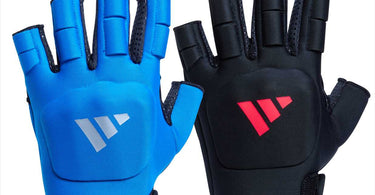
Additional items such as gloves, a hockey ball for home practice and a dedicated hockey bag can then be added over time as your experience grows. Building your kit gradually allows you to spread the cost while ensuring you always have the equipment needed to enjoy the game safely and confidently.